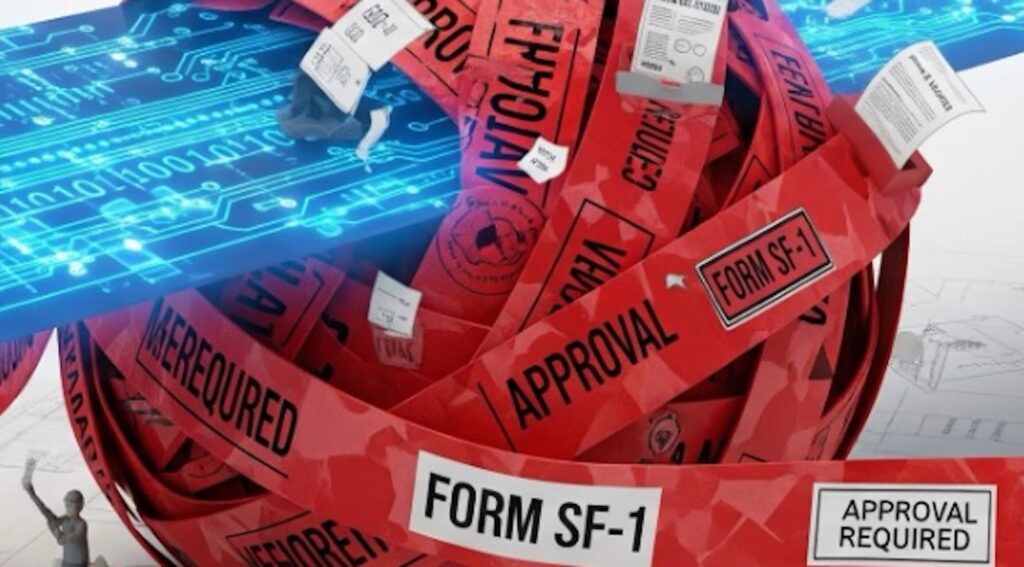
Large enterprises have spent years (and millions) trying to automate Accounts Payable.
And yet, when it comes to indirect spend, many are more manual, fragmented, and frustrated than ever.
Large corporations across the globe are undergoing significant digital transformation initiatives including heavy investments in Accounts Payable (AP) automation. The ambition driving this movement is universally clear: to achieve more financial control, ensure higher compliance, and drastically reduce manual effort.
Yet a common structural problem is consistently derailing these efforts, especially in relation to indirect spend.
POs and Direct Purchases, The Theory
Purchase Orders are designed to automate manufacturing and reseller processes between vendors that depend on each other and have integrated processes in place. It automates a process where the invoice is just the financial piece but the core is much more deeply integrated into the business itself.
Direct purchases typically involve materials and components directly tied to the production of goods, COGS. These purchases are inherently predictable, stable, and volume-based, perfectly aligning with traditional ERP systems. The relationship between a manufacturer and a material vendor is highly structured, where the PO serves as a binding contract for specific quantities and delivery schedules, making the Three-Way Match (PO, Goods Receipt, Invoice) highly effective and truly automated within the ERP environment, in theory. However, real life brings surprises and exceptions are always costly to handle in this kind of integration. Partial deliveries, varying cost components like logistics or other scenarios will affect real life automation levels. And that is just the direct purchases.
Forcing POs onto Indirect Spend
Many finance teams would simply like to automate their full invoice process by strictly enforcing PO workflows onto all indirect spend categories. These categories typically include marketing services, consulting and IT services, facility management, office supplies etc. By making a PO mandatory for every transaction, the goal is to create an auditable trail and ensure pre-approval, thereby guaranteeing compliance.
In reality, this approach often introduces friction, increased manual intervention, and results in what can best be described as “fake planning.”
Defining the Compliance Paradox
The Compliance Paradox means that the more strictly indirect spend is forced into PO-driven compliance, the less efficient and automated the process becomes.
This paradox emerges from the fundamental mismatch between the nature of indirect spend and the structure of a standard PO workflow.
Why POs are a Poor Fit for Indirect Spend
| Indirect Spend Category | Nature of Transaction | PO Workflow Friction |
|---|---|---|
| Consulting/Services | Scope changes, milestones, variable hours, retainer models | PO must be constantly revised or over-estimated, leading to discrepancies |
| Marketing/Creative | Project-based, evolving deliverables, phased payments | Initial PO is often a placeholder, requiring manual “good receipt” on abstract items |
| Software Subscriptions | Recurring, often self-service or initiated by IT/department | PO is a one-time event that fails to match recurring invoice cycles |
| Office Supplies/MRO | High-volume, low-value, urgent ad-hoc needs | PO creation takes longer than the actual purchase, often circumvented |
The core issue is that PO-driven compliance assumes a clearly defined, non-variable purchase before the service starts. For most indirect spend, the exact scope and cost only firm up as the service is delivered, or it involves numerous, small, unpredictable transactions.
Prepare for a Future with Better Data and AI
The solution to the Compliance Paradox is not a retreat from control, but a shift toward intelligent, post-transactional financial governance. Instead of relying on rigid, pre-approval mechanisms like POs that are ill-suited for indirect spend, organisations should leverage modern technology to gain real-time visibility, automated coding, and intelligent risk flagging after the spend event occurs.
1. Embrace Post-Transactional Intelligence
Moving beyond the PO-centric model requires building a system capable of handling highly variable and often spontaneous indirect invoices.
| Traditional (PO-centric) | Future (Post-Transactional) |
|---|---|
| Pre-approval (PO) required | Dynamic routing based on invoice data |
| Focus on 3-Way Match | Focus on Policy and Budget Match |
| Manual coding/GRN entry | AI-powered data extraction and GL coding |
| Reactive exception handling | Proactive risk flagging and anomaly detection |
This new approach validates compliance against budget and policy parameters, not against an often-outdated PO number.
2. Centralise and Cleanse Indirect Spend Data
A critical requirement for enabling AI and advanced analytics is high-quality data. Indirect spend is often scattered across multiple systems, spreadsheets, and shadow IT.
- Improve data quality and availability: Capture 100% invoices, receipts, and associated documentation in granular and high quality format in a centralised system for any future AI tool to use. Better and more accessible raw data means better automation and reporting.
- Standardise GL Coding: Use machine learning models to analyse past invoice data and automatically suggest or apply standardised General Ledger (GL) codes, reducing manual errors and improving data consistency for financial reporting.
- Enrich Transaction Detail: Require vendors to provide granular line-item detail, allowing the system to categorise spend beyond generic supplier names and enabling new reporting layers in the future (emissions, CSRD, etc).
3. Implement Intelligent Auditing and Risk Detection
A future looking high data quality approach also enables better audit and risk management. AI excels at identifying patterns that humans miss:
- Anomaly Detection: Systems flag invoices that deviate significantly from historical costs for the same vendor or service, or which fall outside defined spend thresholds.
- Policy Compliance Checks: Automate checks against internal expense policies, such as verifying signatory limits, contract existence, and adherence to sustainability or preferred vendor lists.
- Budgetary Control: Integrate AP automation directly with the budget holder’s data. Instead of matching against a PO, the system ensures the invoice amount fits within the remaining budget for that specific cost center and GL code, routing exceptions for immediate review.
By prioritising flexible policy enforcement, clean data, and AI-driven intelligence, large corporations can achieve better financial control and automation while being more prepared for an AI driven future.